
Articles
Business & Legal Insights
Expert guides on company registration, GST, trademark, compliance and everything you need to run a business in India.

Section 17(5) GST Blocked ITC Checklist for FY 2025-26
For SMEs, GST input tax credit is valuable — but Section 17(5) blocks credit on many common expenses like cars, food, travel benefits and certain construction costs. Use this practical FY 2025-26 checklist to identify eligible ITC, avoid wrong claims, and maintain proper documentation.
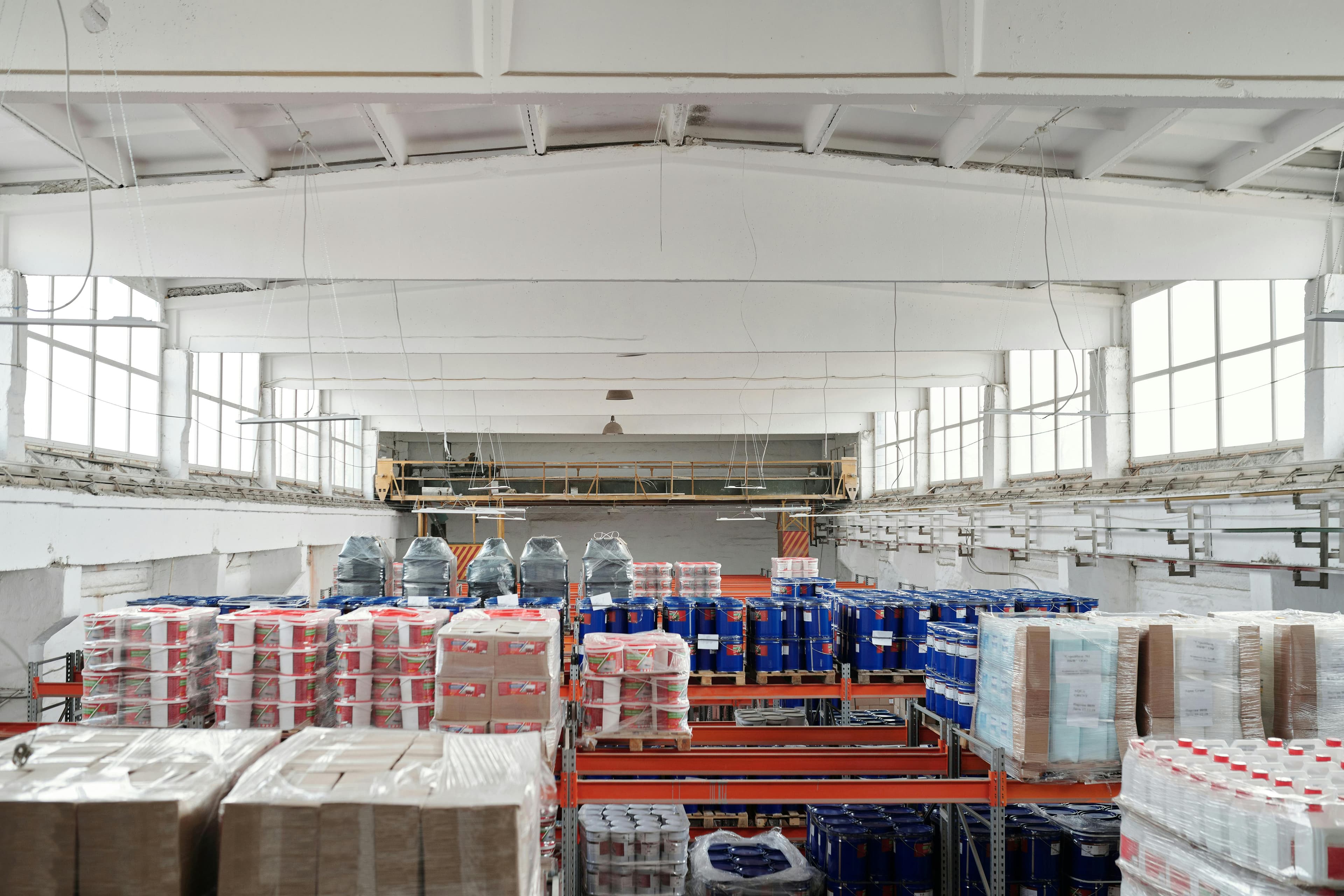
Section 194I TDS on Rent for Warehouses & Dark Stores 2025
Section 194I TDS on rent is a key compliance item for D2C brands and startups in 2025. Learn the threshold, rates, deduction timing, and cash flow impact for warehouses, offices, and dark stores.

Section 194C TDS on Contractor Payments for Real Estate Developers FY 2025-26
A practical guide to Section 194C TDS for real estate developers in FY 2025-26. Learn the applicable rates, thresholds, GST treatment, advances, and monthly compliance steps.

194I Office Rent TDS for Startups: Rules, Rates, Cash Flow
194I office rent TDS can affect startup cash flow, vendor planning, and compliance. Learn the applicable rates, threshold, timing, GST treatment, and common mistakes.

Section 194C TDS on Freight Payments for Logistics Startups
Freight and transport payments under section 194C can create avoidable TDS errors for logistics startups. Learn the threshold, rates, PAN rules, GST treatment, and Form 26Q reporting.

Section 194Q vs 206C(1H): Cash Flow Impact in FY 2025-26
Understand the practical cash flow impact of Section 194Q vs 206C(1H) in FY 2025-26. Learn how 194Q affects vendor payments, working capital, and reconciliation.

Section 148A Notice Reply for UPI Cashbook Mismatch
A Section 148A notice for UPI and cashbook mismatch must be answered with a proper reconciliation, not a generic denial. Explain gross versus net receipts, timing differences, and non-sales credits to show that no income has escaped assessment.
1% GST Rule
The 1% GST rule isn’t an extra tax—it’s a tracking system. If you sell online, understanding this rule can save you from confusion and cash flow surprises.

Section 194Q TDS on Purchase of Goods Calculation Guide for FY 2025-26
Section 194Q requires buyers with turnover above ₹10 crore to deduct TDS on purchases of goods above ₹50 lakh from each resident seller. This guide explains the FY 2025-26 rules, calculation method, GST treatment, and common compliance mistakes.

GST Section 73 ITC Mismatch Guide for E-Commerce Sellers
E-commerce sellers can reduce GST Section 73 notice risk by reconciling GSTR-2B with purchase records before filing GSTR-3B. This guide explains common ITC mismatch issues, how to fix them, and what to review monthly.

Section 40(a)(ia) Contractor Disallowance for Real Estate
For real estate developers, contractor TDS errors can trigger Section 40(a)(ia) disallowance and increase taxable income.

Section 194Q vs 206C(1H): Who Deducts TDS/TCS on Bulk Business ?
A practical guide to deciding whether the buyer must deduct TDS under Section 194Q or the seller must collect TCS under Section 206C(1H) on bulk goods purchases in 2026. Learn the thresholds, overlap rule, examples, and common mistakes.